- Via delle Azalee, 21 Sant’Alessio con Vialone (PV), Italia
- (+39) 0382-538026
- Mon - Fri 8:00 – 17:30
- Customer Reserved Area

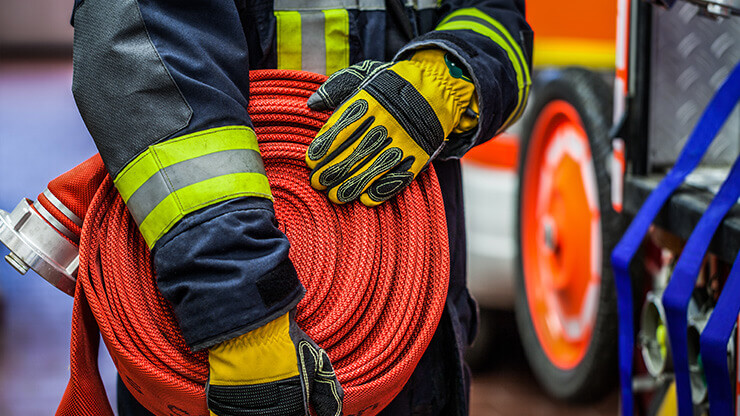
The “High-Risk Fire Safety Training Course” represents the training pathway dedicated to fire prevention personnel and emergency management in companies classified as “Level 3 activities” pursuant to Ministerial Decree of 2 September 2021. This type of course (often referred to as “Level 3 Fire Safety Officer Training” or “High-Risk Fire Safety Training Course”) is designed for environments where the potential for fire or explosion is high and requires a high level of technical expertise, operational awareness and response capability.
The course is designed as mandatory initial training for all workers appointed – or designated by the employer – to perform fire safety duties in high-risk activities.
The aim of the course is to provide adequate training in fire prevention and protection, as well as in the specific risks associated with the activity, with particular reference to the provisions of Ministerial Decree of 2 September 2021.
The training includes both theoretical and practical components, aimed at developing the knowledge and skills necessary to prevent, manage, control and respond to fires, evacuations and emergencies in workplaces classified as “high-risk”.
The course is a fundamental step in developing awareness of hazards, fire propagation mechanisms, proper fire safety strategies and the operational role of the Level 3 Fire Safety Officer.
The Level 3 Fire Safety Officer is appointed by the employer in accordance with Article 46, paragraph 3, letters a), point 4, and b) of Legislative Decree No. 81/2008.
This person is responsible for implementing fire prevention measures, activating operational fire safety strategies, managing emergencies together with the evacuation plan, and carrying out inspections and maintenance of fire safety equipment.
In practice, the Fire Safety Officer in Level 3 activities must be able to:
– Recognise the causes of fires and how they spread, including in complex environments;
– Respond promptly using specific equipment (fire extinguishers, hose reels, hydrants, PPE);
– Contribute to the development and implementation of the emergency and evacuation plan.
The qualification obtained through Level 3 fire safety training is an essential requirement for working in contexts where prevention and protection measures are complex and timely intervention can make a difference.
Level 3 activities, considered “high fire risk”, as defined in Annex III, section 3.2.2 of Ministerial Decree of 2 September 2021, are environments where highly flammable substances, high occupant density, complex technological systems or critical emergency scenarios are present.
Examples include hotels with more than 200 beds, offices with more than 1,000 people present, venues with an audience exceeding 5,000 people, temporary or mobile construction sites where explosives are used, explosives factories and storage facilities, nuclear plants and laboratories, and facilities for the extraction of mineral oils and combustible gases.
Classification as Level 3 entails the obligation to adopt stringent protection measures and provide specific fire safety training for personnel.
Technical qualification for Level 3 Fire Safety Officers is a fundamental requirement: it ensures compliance with the requirements established by Ministerial Decree of 2 September 2021 for Level 3 companies.
The certificate is issued by the Italian Fire Brigade following a theoretical and practical examination covering operational skills, regulatory knowledge and the ability to respond to complex scenarios.
The legislation (Article 5, paragraph 2 of Ministerial Decree of 2 September 2021) identifies all establishments where fire safety personnel are required to obtain technical qualification. These include locations potentially exposed to significant fire risks or characterised by a high number of occupants.
This category includes industrial establishments classified as “lower-tier” and “upper-tier”. It also includes explosives factories and storage facilities, thermoelectric power plants, and facilities for the extraction of mineral oils and gas. Nuclear plants and laboratories are also included. The requirement also applies to indoor storage facilities containing more than 10,000 m² of combustible materials and to all commercial or exhibition activities with a public-access area exceeding 5,000 m².
Airports, railway and maritime stations with large public-access areas, as well as underground metro systems, are also included. Technical qualification is also required for freight intermodal terminals exceeding 20,000 m², hotels with more than 100 beds, and campsites or holiday villages with a capacity exceeding 400 guests.
Other activities subject to this requirement include healthcare facilities, nursing homes, schools with more than 300 people present, offices with more than 500 employees or visitors, and entertainment venues with more than 100 seats. Finally, the requirement also extends to buildings protected under cultural heritage legislation.
In all these high fire-risk environments, technical qualification represents a guarantee of professional competence. It ensures that Level 3 Fire Safety Officers are fully prepared to prevent, control and manage emergencies, making a decisive contribution to the safety of people, facilities and business operations.
When referring to a “high-risk fire safety training course”, this specifically means the Level 3 course. It is essential for the employer, as part of the fire risk assessment, to correctly identify their activity within the applicable classifications in order to select the appropriate training pathway.
Theoretical Aspects
– Fire and Fire Prevention (4 hours)
Principles of combustion
Main causes of fire in relation to the specific workplace environment
Extinguishing agents
Risks to people and the environment
Specific fire prevention measures
Behavioural precautions to prevent fires
The importance of monitoring workplace environments
The importance of inspections and maintenance of fire safety equipment
– Fire Safety Strategy (Part One – 4 hours)
Specific risk areas. Explosion protection
Fire safety measures
Reaction to fire
Fire resistance
Compartmentation
Means of escape
Fire detection and alarm
Smoke and heat control
– Fire Safety Strategy (Part Two)
Fire safety measures
Fire control
Firefighting operations
Fire safety management during normal operations and emergencies
Inspections and maintenance
Emergency plan
Emergency procedures
Alarm procedures
Evacuation procedures
– Practical Fire Safety Exercises (4 hours)
Familiarisation with and explanation of the main fire control and extinguishing equipment and systems
Familiarisation with personal protective equipment (including masks, self-contained breathing apparatus and protective suits)
Practical exercises on the use of fire control and extinguishing equipment
Familiarisation with the fire safety register
Explanations and practical exercises relating to fire safety monitoring
/
– Regular attendance at the course and successful completion of the final assessment entitle participants to a certificate of attendance valid for five years (unless updates or regulatory changes apply) and enable the company to comply with its mandatory training requirements. Upon expiry, participants may attend the relevant refresher course.
– Apt Safety Group Certificate of Attendance.
Instructors holding the qualifications required for trainers under Ministerial Decree of 2 September 2021.
Fill out the form below to inquire about the course. We will be in touch soon
The “High-Risk Fire Safety Training Course” represents the training pathway dedicated to fire prevention personnel and emergency management in companies classified as “Level 3 activities” pursuant to Ministerial Decree of 2 September 2021. This type of course (often referred to as “Level 3 Fire Safety Officer Training” or “High-Risk Fire Safety Training Course”) is designed for environments where the potential for fire or explosion is high and requires a high level of technical expertise, operational awareness and response capability.
The course is designed as mandatory initial training for all workers appointed – or designated by the employer – to perform fire safety duties in high-risk activities.
The aim of the course is to provide adequate training in fire prevention and protection, as well as in the specific risks associated with the activity, with particular reference to the provisions of Ministerial Decree of 2 September 2021.
The training includes both theoretical and practical components, aimed at developing the knowledge and skills necessary to prevent, manage, control and respond to fires, evacuations and emergencies in workplaces classified as “high-risk”.
The course is a fundamental step in developing awareness of hazards, fire propagation mechanisms, proper fire safety strategies and the operational role of the Level 3 Fire Safety Officer.
The Level 3 Fire Safety Officer is appointed by the employer in accordance with Article 46, paragraph 3, letters a), point 4, and b) of Legislative Decree No. 81/2008.
This person is responsible for implementing fire prevention measures, activating operational fire safety strategies, managing emergencies together with the evacuation plan, and carrying out inspections and maintenance of fire safety equipment.
In practice, the Fire Safety Officer in Level 3 activities must be able to:
– Recognise the causes of fires and how they spread, including in complex environments;
– Respond promptly using specific equipment (fire extinguishers, hose reels, hydrants, PPE);
– Contribute to the development and implementation of the emergency and evacuation plan.
The qualification obtained through Level 3 fire safety training is an essential requirement for working in contexts where prevention and protection measures are complex and timely intervention can make a difference.
Level 3 activities, considered “high fire risk”, as defined in Annex III, section 3.2.2 of Ministerial Decree of 2 September 2021, are environments where highly flammable substances, high occupant density, complex technological systems or critical emergency scenarios are present.
Examples include hotels with more than 200 beds, offices with more than 1,000 people present, venues with an audience exceeding 5,000 people, temporary or mobile construction sites where explosives are used, explosives factories and storage facilities, nuclear plants and laboratories, and facilities for the extraction of mineral oils and combustible gases.
Classification as Level 3 entails the obligation to adopt stringent protection measures and provide specific fire safety training for personnel.
Technical qualification for Level 3 Fire Safety Officers is a fundamental requirement: it ensures compliance with the requirements established by Ministerial Decree of 2 September 2021 for Level 3 companies.
The certificate is issued by the Italian Fire Brigade following a theoretical and practical examination covering operational skills, regulatory knowledge and the ability to respond to complex scenarios.
The legislation (Article 5, paragraph 2 of Ministerial Decree of 2 September 2021) identifies all establishments where fire safety personnel are required to obtain technical qualification. These include locations potentially exposed to significant fire risks or characterised by a high number of occupants.
This category includes industrial establishments classified as “lower-tier” and “upper-tier”. It also includes explosives factories and storage facilities, thermoelectric power plants, and facilities for the extraction of mineral oils and gas. Nuclear plants and laboratories are also included. The requirement also applies to indoor storage facilities containing more than 10,000 m² of combustible materials and to all commercial or exhibition activities with a public-access area exceeding 5,000 m².
Airports, railway and maritime stations with large public-access areas, as well as underground metro systems, are also included. Technical qualification is also required for freight intermodal terminals exceeding 20,000 m², hotels with more than 100 beds, and campsites or holiday villages with a capacity exceeding 400 guests.
Other activities subject to this requirement include healthcare facilities, nursing homes, schools with more than 300 people present, offices with more than 500 employees or visitors, and entertainment venues with more than 100 seats. Finally, the requirement also extends to buildings protected under cultural heritage legislation.
In all these high fire-risk environments, technical qualification represents a guarantee of professional competence. It ensures that Level 3 Fire Safety Officers are fully prepared to prevent, control and manage emergencies, making a decisive contribution to the safety of people, facilities and business operations.
When referring to a “high-risk fire safety training course”, this specifically means the Level 3 course. It is essential for the employer, as part of the fire risk assessment, to correctly identify their activity within the applicable classifications in order to select the appropriate training pathway.
Theoretical Aspects
– Fire and Fire Prevention (4 hours)
Principles of combustion
Main causes of fire in relation to the specific workplace environment
Extinguishing agents
Risks to people and the environment
Specific fire prevention measures
Behavioural precautions to prevent fires
The importance of monitoring workplace environments
The importance of inspections and maintenance of fire safety equipment
– Fire Safety Strategy (Part One – 4 hours)
Specific risk areas. Explosion protection
Fire safety measures
Reaction to fire
Fire resistance
Compartmentation
Means of escape
Fire detection and alarm
Smoke and heat control
– Fire Safety Strategy (Part Two)
Fire safety measures
Fire control
Firefighting operations
Fire safety management during normal operations and emergencies
Inspections and maintenance
Emergency plan
Emergency procedures
Alarm procedures
Evacuation procedures
– Practical Fire Safety Exercises (4 hours)
Familiarisation with and explanation of the main fire control and extinguishing equipment and systems
Familiarisation with personal protective equipment (including masks, self-contained breathing apparatus and protective suits)
Practical exercises on the use of fire control and extinguishing equipment
Familiarisation with the fire safety register
Explanations and practical exercises relating to fire safety monitoring
/
– Regular attendance at the course and successful completion of the final assessment entitle participants to a certificate of attendance valid for five years (unless updates or regulatory changes apply) and enable the company to comply with its mandatory training requirements. Upon expiry, participants may attend the relevant refresher course.
– Apt Safety Group Certificate of Attendance.
Instructors holding the qualifications required for trainers under Ministerial Decree of 2 September 2021.